
📚 Get prepared. Protect your loved ones.
Immediate action guides for facing emergencies.
🏥 Earthquake first aid — What NOT to do
Recommendations from Dr. Luis Castro (@cirujanolucas), Venezuelan surgeon. Share this guide.
⛔NEVER do this
✅Yes, do this
Source: Dr. Luis Castro (@cirujanolucas on Instagram) — Venezuelan surgeon.
Emergency medical guides
Medical protocols for rescuers and volunteers. Courtesy of UrgenCare Venezuela.
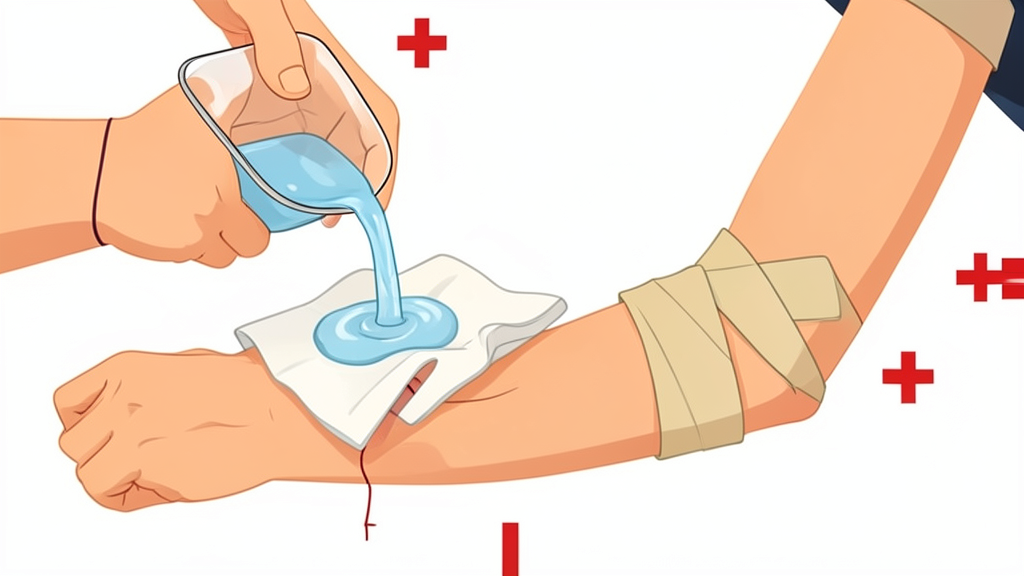
1. Open wounds: Trueta Method
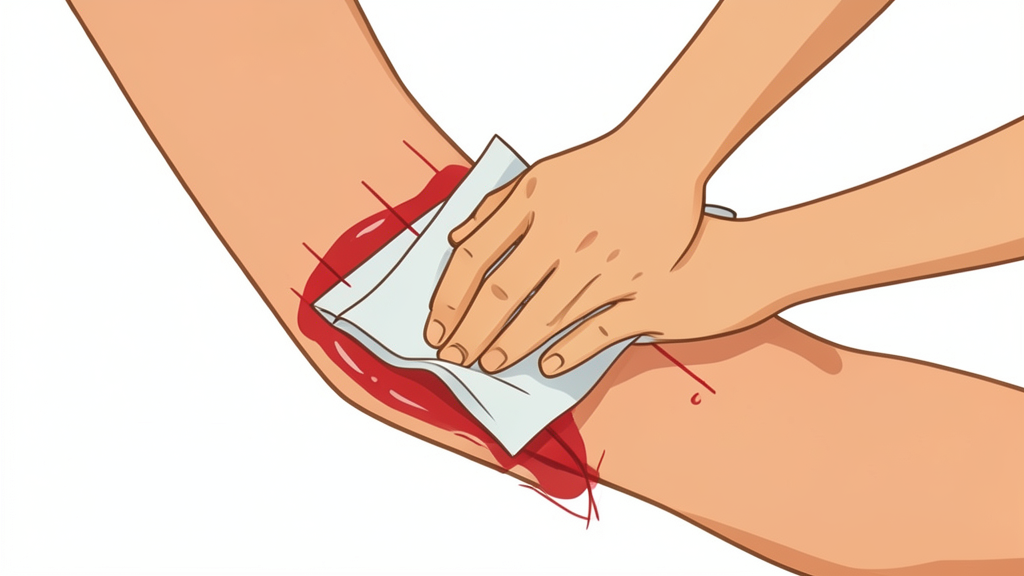
2. Bleeding control
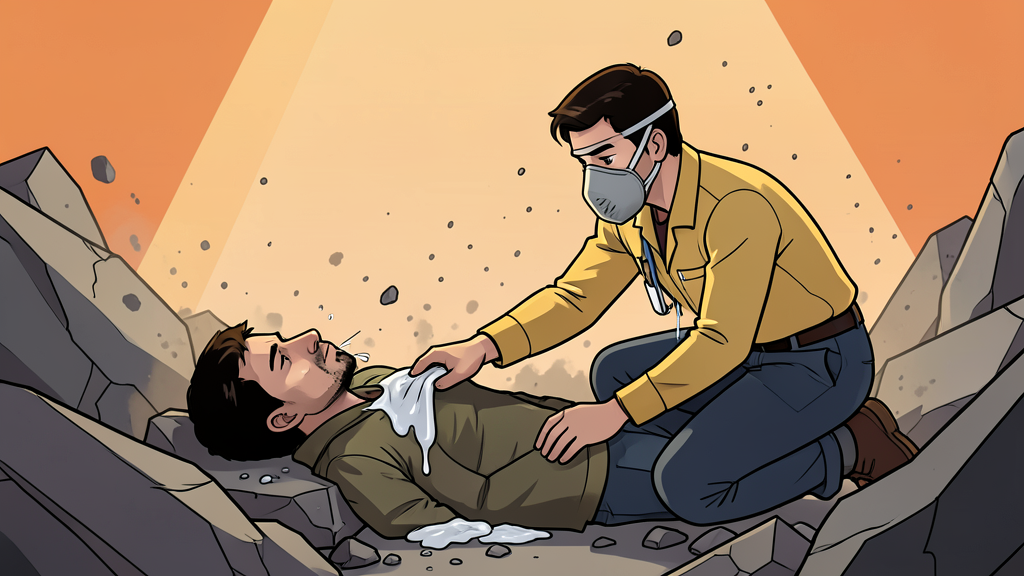
3. Respiratory rescue
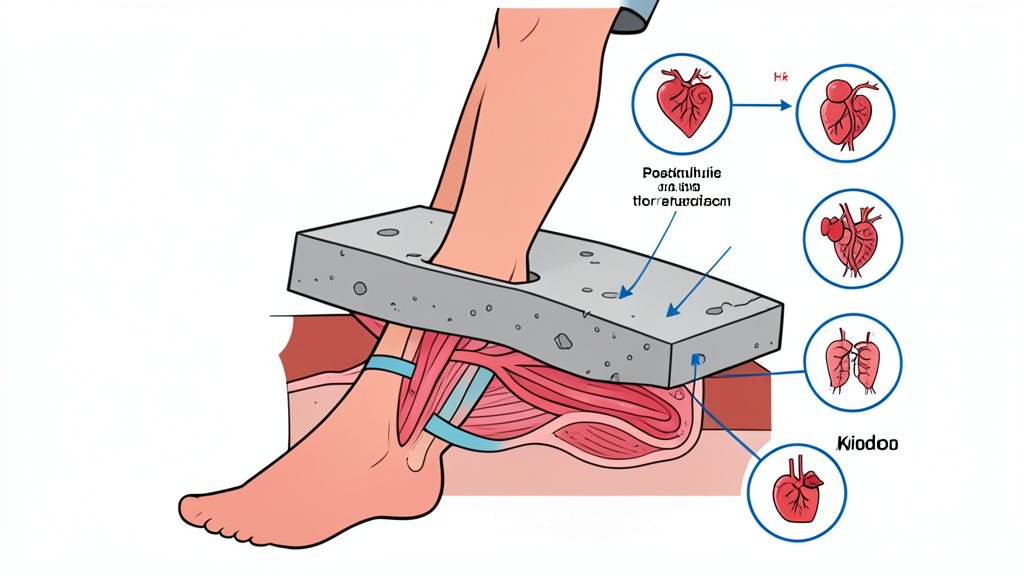
4. Crush syndrome
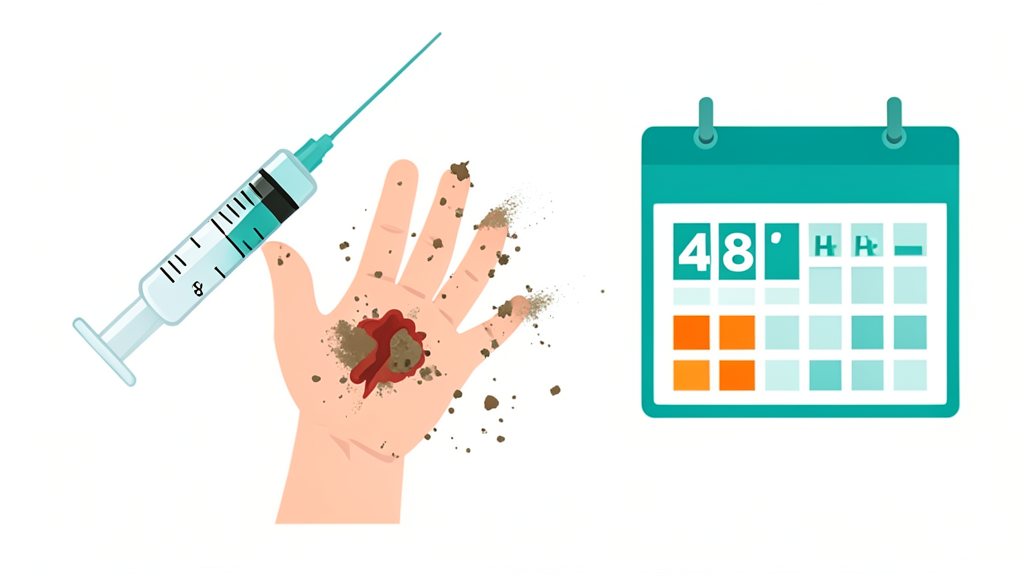
5. Tetanus vaccine
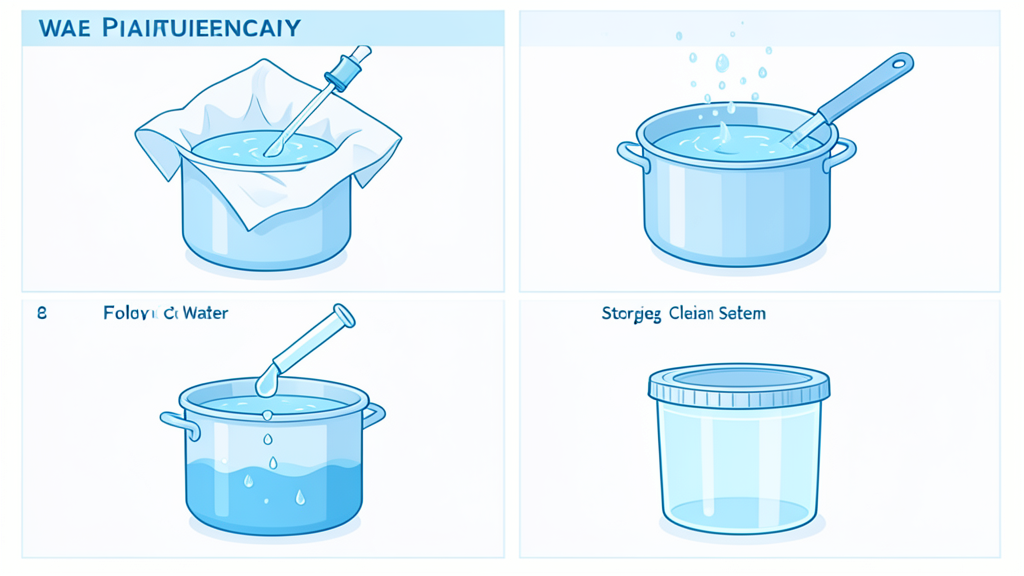
6. Water purification
Courtesy: UrgenCare Venezuela · Telemedicine 24/7: 0212-822-1262
Citizen response guides
Practical protocols based on international rescue standards, adapted for volunteers and citizens during the emergency.
"Disorganization is costing lives. Without clear directives, citizens must organize under strict international protocols."
🚨 Ground zero (collapse area)
DO NOT bring food or clothes. Only:
- 🔧 Shovels, picks, heavy ropes, buckets
- 🔦 Flashlights with batteries, cutting tools
- 😷 Masks, leather gloves
- 📦 Body bags
- 👨⚕️ Certified rescuers and trauma medical teams
🏠 Support zone (aid centers & shelters)
Where inexperienced civilians are most useful:
- 🥫 Non-perishable food (NO mayonnaise)
- 💧 Drinking water
- 🛏️ Blankets, mats, clean sheets
- 🧼 Hygiene kits: soap, toilet paper, diapers
- 🧠 General doctors, nurses, psychologists
3 steps to donate effectively
⚠️ Coordinated transport: If you have a truck, don't drive to the disaster zone on your own. Coordinate with an aid center for trips with cleared routes.
During an earthquake
- 1Drop to the ground immediately.
- 2Cover your head and neck under a sturdy table.
- 3Hold on firmly until the shaking stops.
After an earthquake
- ✓Check yourself and others for injuries.
- ✓Avoid damaged structures and power lines.
- ✓If you smell gas, shut it off and evacuate.
- ✓Use flashlights, not candles or matches.
- ✓Listen to the radio for official instructions.
Aftershocks: the danger continues
An earthquake is not a single event. Aftershocks can last weeks or months and weaken already damaged structures.
—
Recorded aftershocks (M≥2.5, 7 días)
—
M≥4.0
—
Recorded aftershocks
Aftershocks are earthquakes that follow the main shock, caused by the Earth's crust readjusting.
The largest aftershock is typically ~1.2 magnitudes less than the main shock.
Most occur in the first 3 days. They can continue for months at decreasing frequency.
A structure damaged by the main shock can collapse from an aftershock. Do NOT re-enter affected buildings.
Recent seismic activity (USGS)
Loading seismic data…
Real-time data: USGS Earthquake Hazards Program